100 Ways to Cook an Egg
Commonly associated with chefs in combination with a white coat is a tall, white hat. This pleated hat is officially referred to as a toque, the Arabic word for hat. If you look closely, or at all, at a chef’s hat, you’ll notice numerous folds and pleats in it. In the early days of the toque, people said that the number of pleats represented the number of techniques a chef had achieved. Often, there were 100 pleats, which indicates the more than a hundred ways of cooking an egg.
The egg is such a diverse tool for cooking. Not only is it a staple in many household kitchens, but the various ways of cooking can substantially elevate their textures and flavour. Now, obviously, the title is lowkey clickbait, and I won’t talk about all 100 ways to cook an egg in this article; however, I will go in-depth into the egg, and I hope that you’ll come out of this read invigorated to devour some eggs.
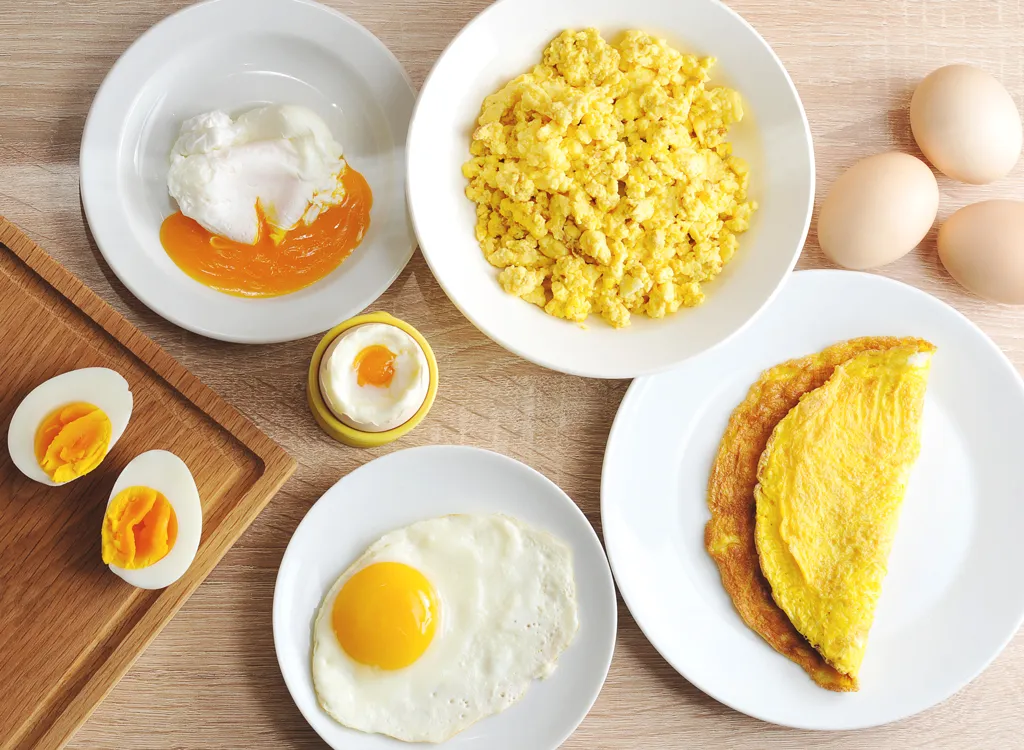
First of all, the egg is not only a tool to satisfy our nutritional needs and wants but also a means of reproduction. Not to worry, the eggs we eat aren’t baby chickens; they’re just baby chickens that weren’t meant to be. Most of the eggs laid, except those specifically put aside for hatching, are not fertilized but sold for consumption. It’s estimated that the average American eats about 275 eggs each year, which is at least one egg every 1 and a half days. Now, think about all the eggs you’ve eaten and the forms you’ve had them in. It’s likely not that many. There are your casual scrambled, boiled, and fried eggs, with maybe a poached one occasionally, to feel fancy.
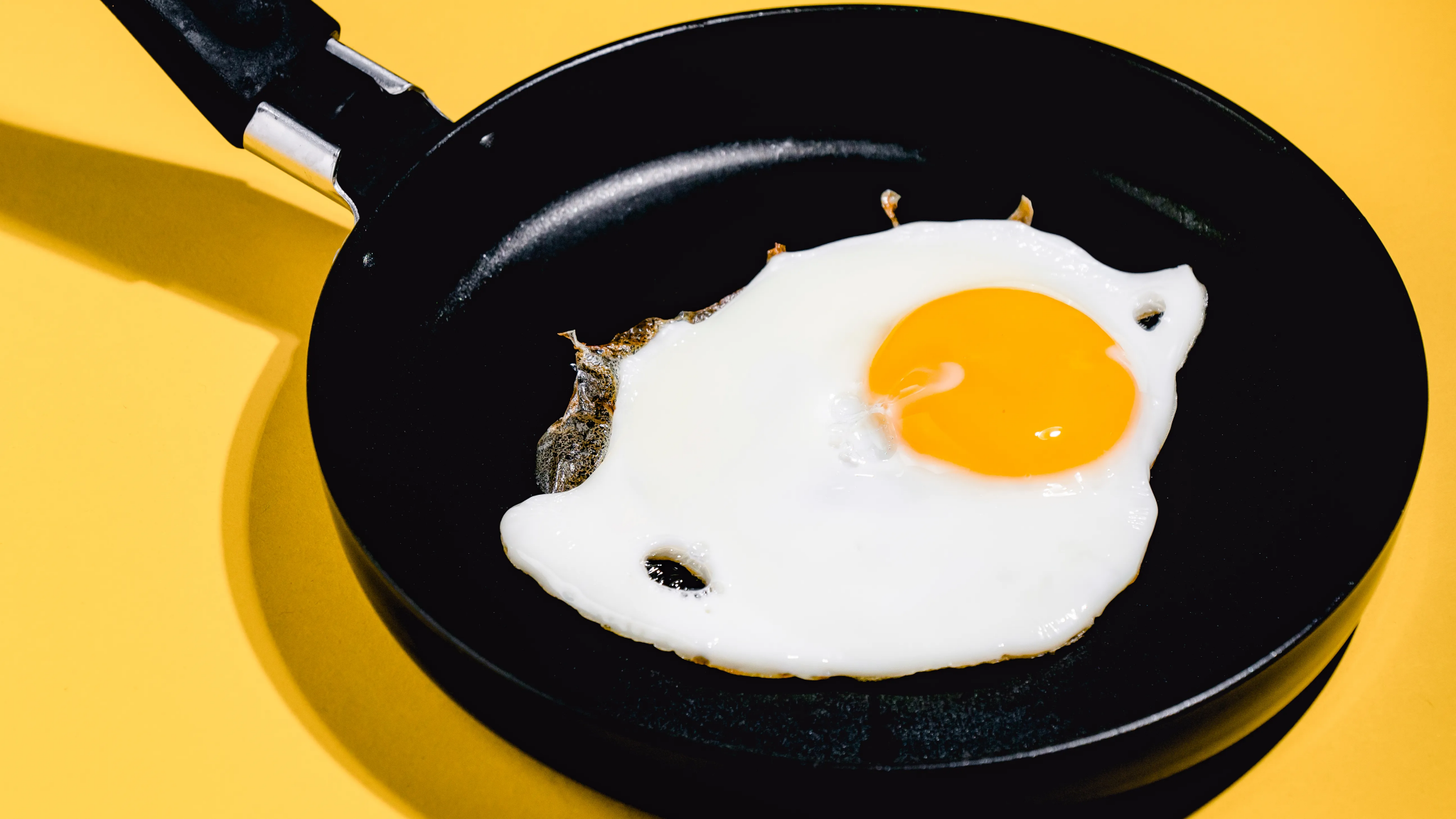
Now, that’s not to say that you should be ashamed if you only eat your eggs that way, because I do too! It’s hard to beat some scrambled eggs and toast for breakfast, no matter how intricate or complex you try to cook an egg. There are over 100 ways to cook an egg. If you flip a sunny side up and cover the sun, you can have an over-easy, medium, or hard egg in just seconds. So, why not learn some more ways to cook eggs to spice up your Sunday brunch? (which you probably don’t cook yourself).

Deviled eggs may look and sound devious, but trust me, you won’t regret trying them. A devilled egg at its foundation is a hard-boiled egg that's been cut in half, had its yolk scooped out, mixed, and then put back in. This may sound like eating a hard-boiled egg with extra steps, but it certainly isn’t. When you take the yolk out, you mix it with mayo, mustard, vinegar, and other condiments. This creates a creamy and dense mixture with flavour, while the vinegar adds a dash of acidity, resulting in a filling that is both light and rich at the same time. After the yolk has been put back in the white, you can top it with a sprinkle of paprika or chilli flakes. Deviled eggs have quite a bad reputation; however, I think they make for a great snack and appetizer.

These are basted eggs, which aren’t a specific type of dish but a way of cooking eggs. Basting means pouring juices or melted fat (usually butter) over something as it cooks to keep it moist, infuse flavours, and ensure the desired temperature. You would typically baste meats, such as steaks, but it can also be performed on eggs, which is what a basted egg is. You can either cook a sunny-side-up egg in butter or throw in a little stick before it's finished; however, eggs do cook very fast, so putting butter in near the start is ideal. Then, with a spoon, you scoop up the melted butter and pour it over the egg until it's cooked to your liking. Basted eggs usually don’t have as runny of a yoke as the butter cooks it while being basted. This results in an egg with a golden-brown, crispy edge around the white and a slightly runny yoke, not as runny as a sunny side up and not as set as an over easy. Perfectly balanced.

Lastly, a way to cook an egg as a niche condiment is a cured egg yolk. Curing is a type of food preservation that aims to draw water out of ingredients through salt. To cure an egg yolk, you first cover it in salt and then let it rest. This allows the salt to remove most of the moisture from the egg, leaving you with a much firmer yolk. Afterward, you dry out the egg yolks in an oven to complete the curing process, creating a much firmer and savoury version of a yolk. These can last in your fridge for a few months and are a perfect topping or condiment to many meals. They have a slightly salty and savoury taste, providing a distinct umami flavour and elevating dishes to another level. You eat them like cheese and can slice, grate, shave, or crumble cured egg yolks over various dishes.
Eggs are undoubtedly a diverse ingredient to utilize in cooking, and the 3 techniques I’ve shared with you guys are simply the tip of the iceberg. Although there are hundreds, maybe close to thousands of ways of cooking eggs, you might only like a few, and that’s completely normal. However, it’s almost never a bad idea to try new dishes and recipes, especially these, as not only are they quick to make, but you’ll likely have all the ingredients available. I’ve had eggs in many, many forms, and personally, my favourite will always be an over-scrambled egg.
Thanks for reading, and I’ll see you guys in the next post!