WTF is MSG?
:strip_icc()/MSG-with-spoon-spilled-on-wooden-table-cdcc9b8e2a1f40309fefcd78c56958aa.jpg)
Ok, I know this article isn’t about bubble tea, but you definitely won’t regret reading it. You might have heard of MSG before, tossed around in sentences like “just put some MSG in and it’ll taste better” and “MSG is a god's gift,” but there’s a likely chance you don’t really know what it is. Not to worry, because I didn’t really know what it was either until I chose to write this article on it.
I like to call MSG the “magic powder,” as its effects are almost identical to magic. Its impact on a dish is so apparent and evident, yet you don’t really know how or why it has done that – kind of like when the magician starts pulling random things out of his mouth, and you think his body has a never-ending supply of storage. Obvious and apparent, yet mysterious at the same time.
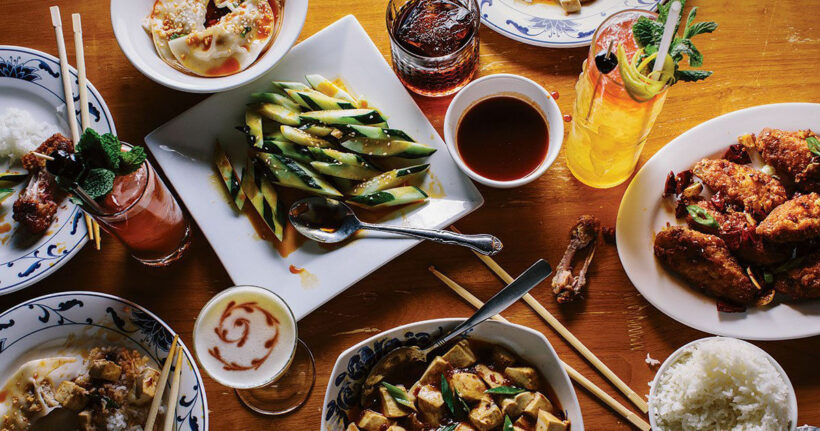
MSG is a common food additive found in various amounts of packaged foods and is utilized in the cuisines of many cultures, specifically in Asia. In contrast to its widespread popularity in many Asian countries, both in home and restaurant cooking, North Americans often shy away from it. Why? Either because North Americans don’t appreciate flavour or are simply scared of its name.

MSG stands for Monosodium glutamate, which is quite a long, scientific, scary-sounding name. Although it does sound a bit daunting, when you delve into the science of it, you’ll realize that it’s simply the sodium salt of the common amino acid: glutamic acid. Not only is it naturally present in our bodies, but it also occurs in many foods like tomatoes, cheese, and mushrooms. On average, an adult will consume 13 grams of glutamate each day from the protein in food, while intake of MSG is estimated to be around 0.55 grams. It’s chemically identical to the glutamate in food proteins and, thus, is not unhealthy when consumed in SAFE amounts. Although there have been complaints and negative symptoms from consuming MSG, there isn’t enough research to back and support it.
MSG is an odourless, white crystalline powder that resembles table salt. Much like salt, it is used as a seasoning, but while salt makes things taste salty, MSG increases the savoury aspect of food. It does this through umami, which is known as one of the five basic tastes. Umami and savoury are often associated and utilized in conjunction with each other, and both describe a rich and meaty taste that many enjoy.

Now, MSG wasn’t just discovered randomly but through the extraction of glutamate from seaweed. See, around the late 1800s and early 1900s, people knew about the savoury taste many foods had; however, they didn’t know what caused it. So, while they tasted its flavour, MSG wasn’t a thing at the time. That all changed in 1908 when Kikunae Ikeda, a Japanese chemist, discovered the compound. He realized that the savoury flavour was consistent through many foods, such as asparagus, tomatoes, and the soup broth his wife made from seaweed. Thus, like any other normal person, he determined that glutamate, the ionic form of glutamic acid, was responsible for that taste. Then, he figured out how to manufacture and synthesize the compound by extracting glutamate from seaweed and mixing it with water and table salt to stabilize it. I know, some Walter White type shi. Ikeda named his discovery the “Essence of Taste,” more commonly known in other parts of the world as MSG. This invention was soon distributed across the world and exploded in popularity.
Although MSG won’t save all your cooking mishaps, it will undoubtedly create and enhance flavour profiles within your dishes. MSG blends well with salty and sour tastes while reducing the bitterness present in many forms of food. Think meats, vegetables, soups, or sauces. A little pinch of MSG often goes a long way; however, too much will completely overwhelm the desired taste of a dish. Mix with a little bit of salt, and your taste buds will surely thank and praise you later.
So, what are you waiting for? Get to your nearest supermarket, buy some MSG, secretly add it to your mom’s cooking, and watch as it salvages your parents' marriage. Thanks so much for reading, and I’ll see you guys in the next article (hopefully next week)!